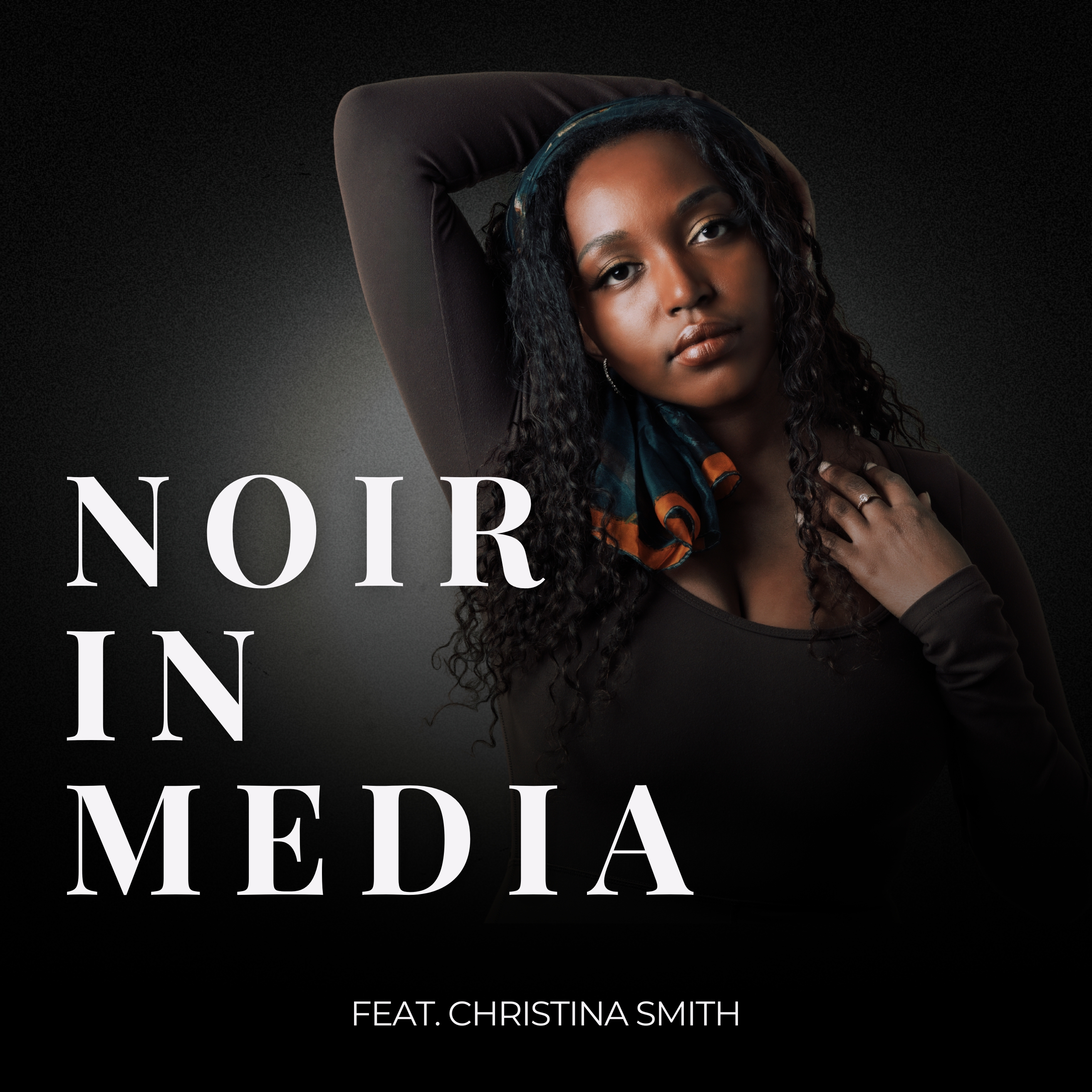
Pigeonholes Are for Pigeons: How Christina Smith Is Redefining What It Means to Be a Classical Artist

There are certain labels we attach to artists.
Opera singer.
Actress.
Creator.
Performer.
We use these labels to help us understand people, but sometimes those same labels become limitations.
In the latest episode of Noir in Media, I sat down with opera singer and actress Christina Smith for a conversation that began with classical music but quickly became something much bigger: a discussion about authenticity, community, representation, and the courage to build a life that refuses to fit neatly into a single category.
When the Right Person Sees Something in You
One of the most surprising parts of Christina's story is that opera wasn't something she actively pursued.
In her words, "opera found me."

Christina Performing on stage | Photo Credits: Jeremy Chan Photography - Getty Images
As a young singer, she struggled to fit into the vocal styles people expected her to excel at. While others encouraged her toward more conventional paths, a teacher recognized something unique in her voice and introduced her to classical music.
That moment changed everything.
What stood out most wasn't simply discovering opera. It was the reminder that sometimes all it takes is one person willing to see potential where others don't.
Throughout our conversation, Christina repeatedly returned to this idea: the responsibility of paying opportunities forward. Whether through education, mentorship, or simply encouraging someone to try something new, the people who believe in us often shape our futures long before we realize it ourselves.
Redefining Classical Music Without Erasing It
Classical music often carries a reputation for being inaccessible, traditional, or disconnected from younger audiences.
Christina doesn't agree.
At least, not entirely.
She believes the future of classical music isn't about abandoning tradition. It's about understanding it deeply enough to build upon it.
One of the most thoughtful moments in our conversation came when she challenged a common misconception about younger artists.
Many people assume the next generation wants to tear everything down and start over.
"We need the foundation," she explained. "But we also need the freedom to explore what it could be."
That perspective feels increasingly relevant across every creative industry.
Innovation doesn't have to mean erasure. Respecting what came before doesn't mean refusing to evolve.
In Christina's world, opera can coexist with contemporary culture. Classical technique can support modern storytelling. Tradition and innovation don't have to compete—they can strengthen one another.
Accessibility Is More Than Exposure
When conversations about the arts arise, accessibility is often discussed in broad terms.
For Christina, the issue is much simpler.
People cannot appreciate what they cannot experience.
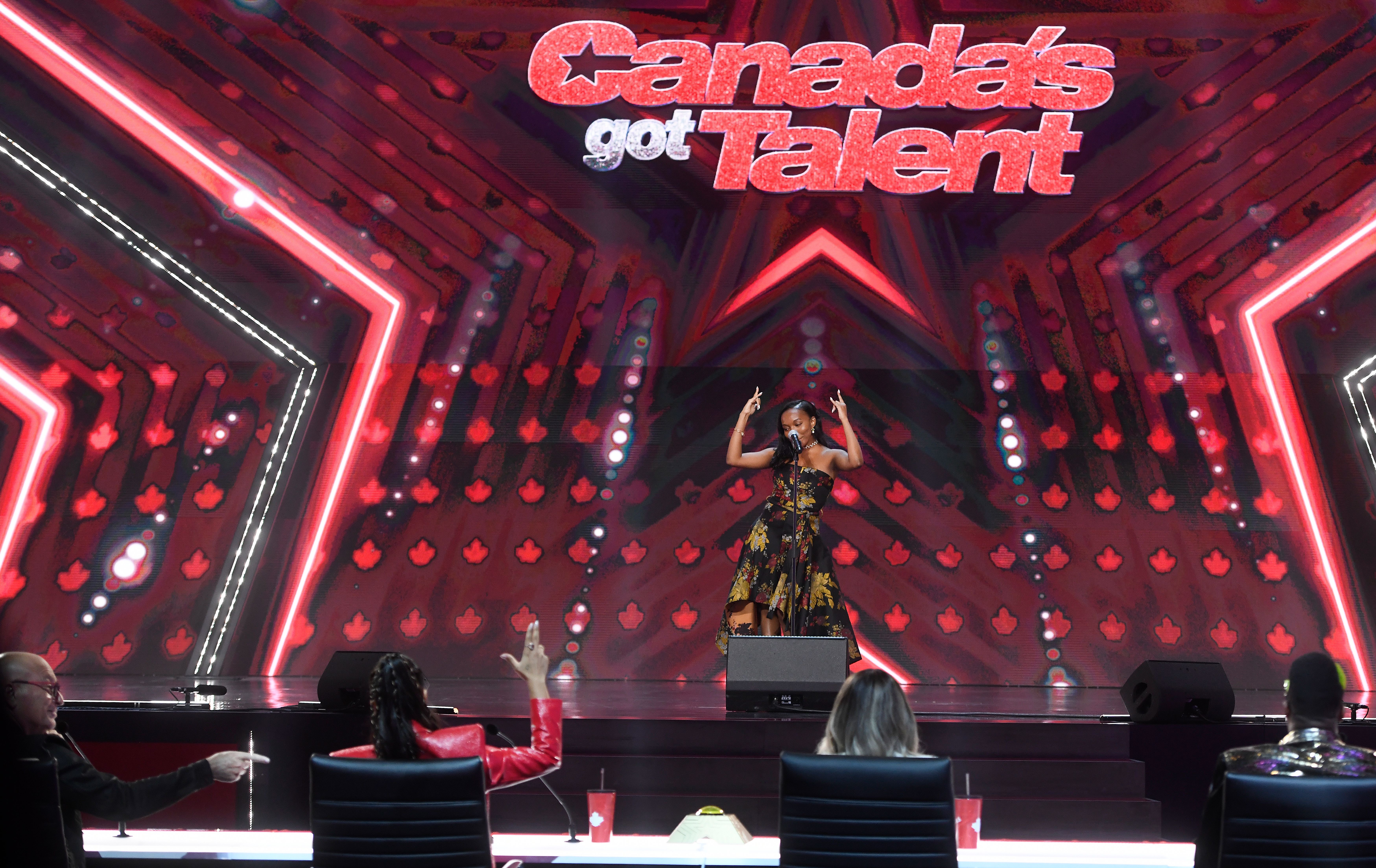
Christina performing on Canada's Got Talent | Photo Courtesy of Christina Smith
If theatre, opera, and other artistic forms are too expensive, too exclusive, or too difficult to encounter, audiences never get the opportunity to connect with them in the first place.
She believes accessibility begins by meeting people where they are.
Bringing performances into communities.
Creating cultural exchanges.
Making ticket prices more attainable.
Finding ways to remove barriers without compromising artistic integrity.
It was a refreshing reminder that growing an audience isn't just about marketing. Sometimes it's about creating opportunities for people to experience the work in the first place.
Community and Audience Are Not the Same Thing
One of my favourite parts of the conversation centred on a distinction that more creators should be talking about: community versus audience.
As creators, we're constantly encouraged to build audiences.
Grow your followers.
Increase your reach.
Expand your visibility.
But Christina offered a different perspective.
Your audience consumes what you create.
Your community grows alongside you.
A community is reciprocal. It's made up of the people who support you, challenge you, celebrate you, and help shape your journey.
An audience may overlap with that, but the two are not the same.
Understanding the difference can completely change how artists approach their work, their relationships, and even their content.
The question isn't just who is watching.
The question is: who are you creating for?
Mentorship Gets You Advice. Sponsorship Opens Doors.
Another topic Christina believes deserves more attention is the difference between mentorship and sponsorship.
The entertainment industry constantly talks about mentorship.
And mentorship matters.
But mentorship alone doesn't always create opportunities.
As Christina explained, sponsorship is when someone is willing to put their reputation on the line for your potential.
It's the person who says your name in a room you're not in.
The person who recommends you for an opportunity.
The person who doesn't just tell you what to do, but actively helps create access.
In an industry where so many emerging creatives are searching for pathways forward, that distinction feels important.
Advice can guide you.
Access can change your life.
Pigeonholes Are for Pigeons
As our conversation came to a close, I asked Christina what she hopes people take away from her work.
Her answer was simple.
"Pigeonholes are for pigeons."
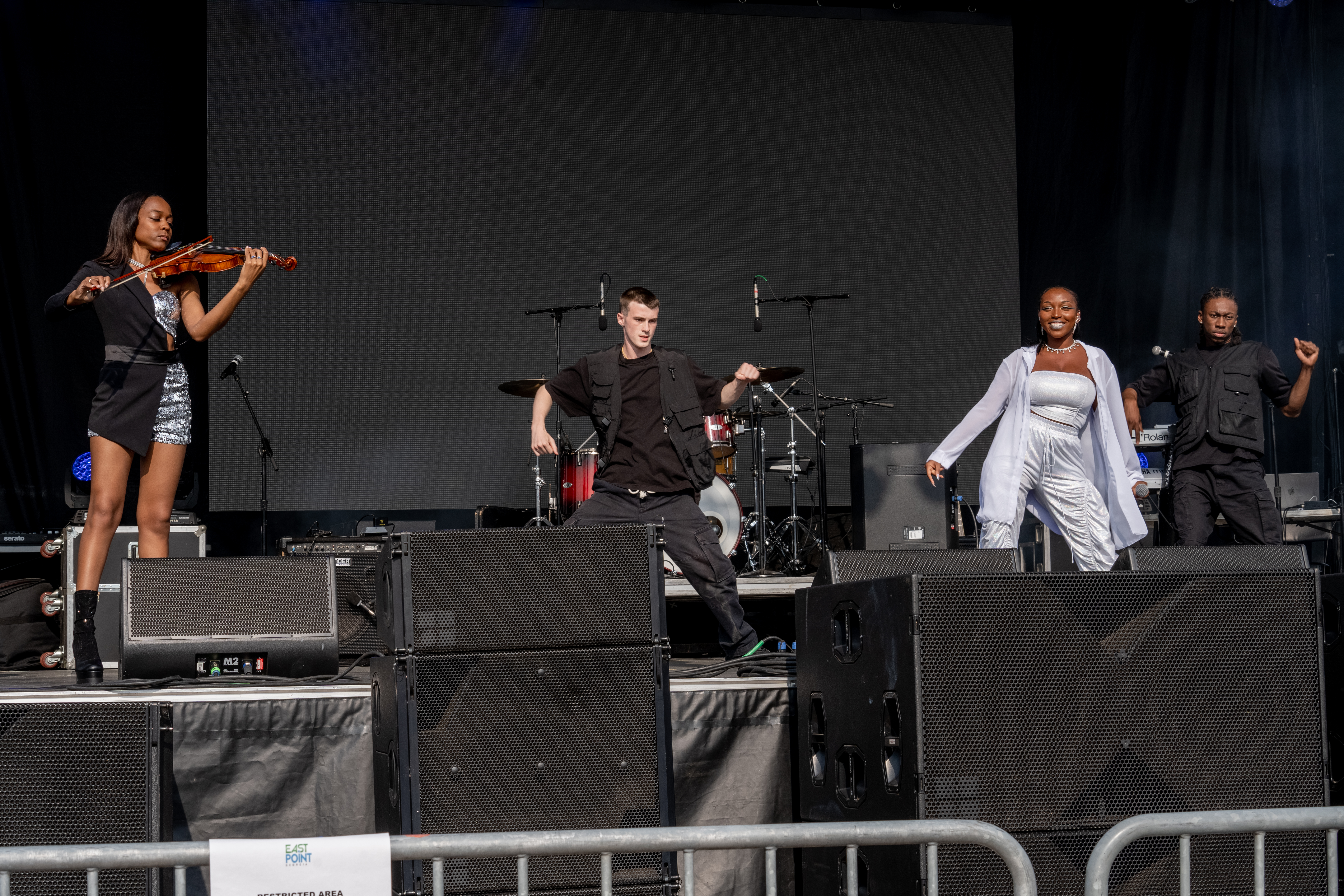
Christina performing in East Point, Georgia | Photo Courtesy of Christina Smith
It's the kind of quote that stays with you long after the conversation ends.
Whether you're an artist, entrepreneur, creative professional, or simply someone trying to figure out what's next, the pressure to choose one identity can feel overwhelming.
But Christina's career is proof that you don't have to limit yourself to one lane.
You can be an opera singer and an actress.
A performer and an advocate.
A student and a teacher.
An expert and an explorer.
The goal isn't perfection.
The goal is having the courage to become more than you've been told you can be.
And according to Christina, that's where extraordinary lives begin.
You can follow Christina Smith on Instagram, TikTok, and YouTube to keep up with her work.
The Business Behind the Arts: Why Creative Careers Need More Than Talent