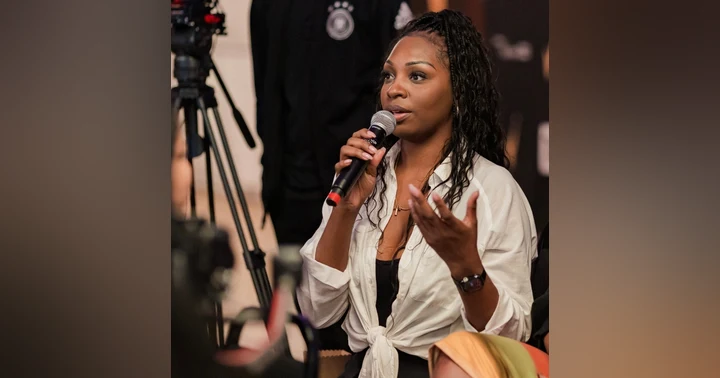
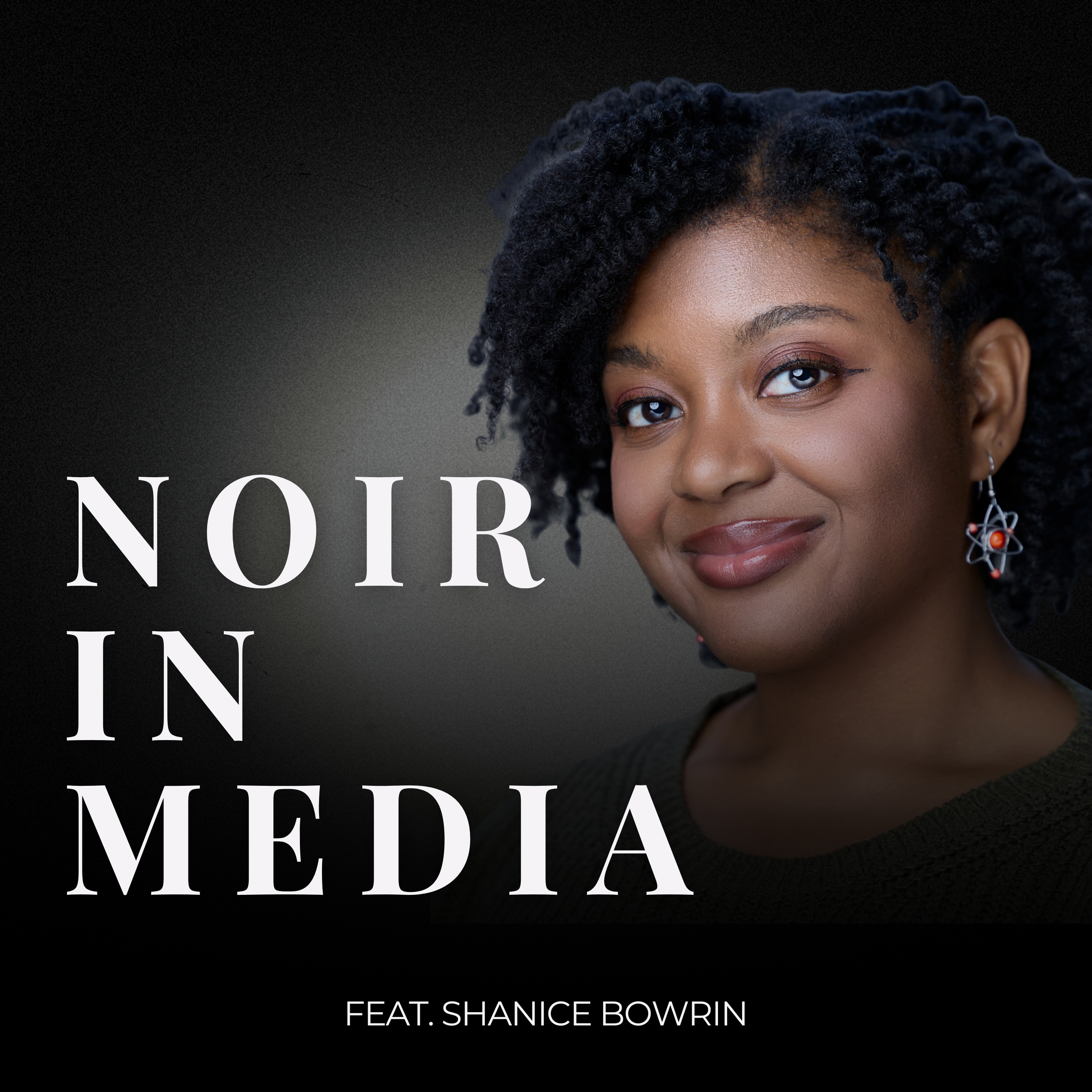
How Shanice Bowrin Is Redefining Independent Filmmaking Through Authentic Storytelling
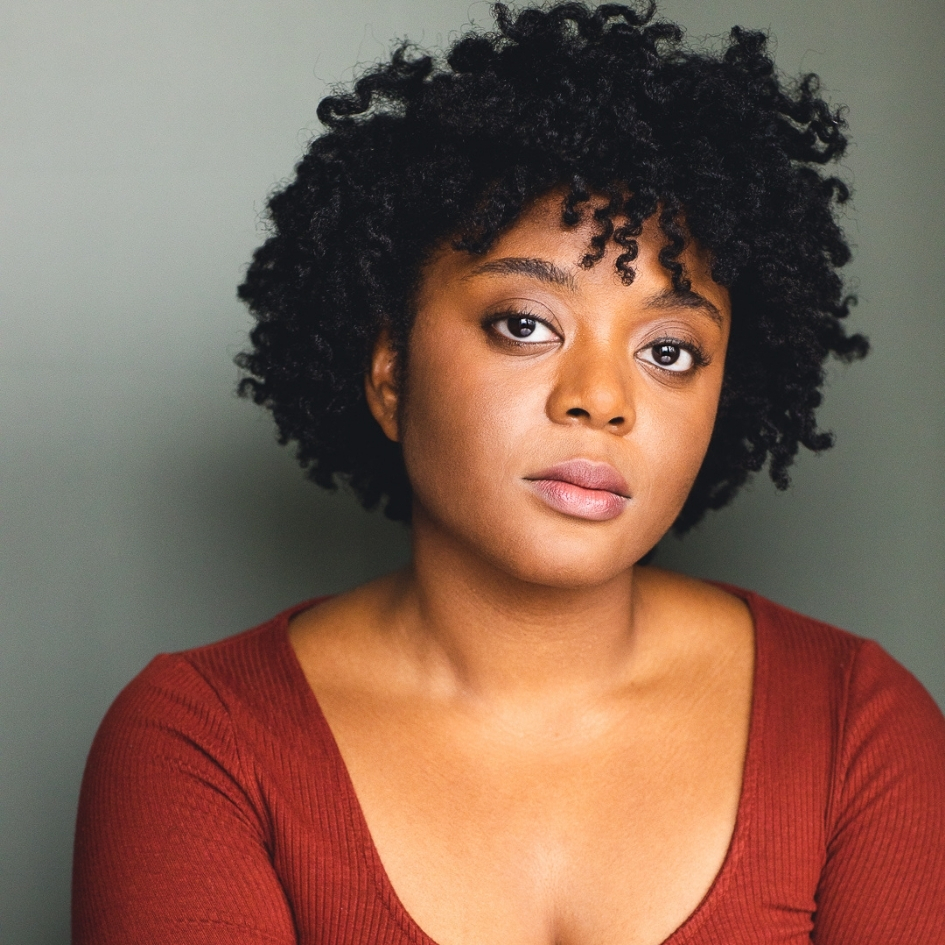
In creative industries, there's often pressure to fit into a formula—to tell stories that feel familiar, marketable, or expected. But what happens when your most authentic ideas don't fit neatly into those boxes?
For writer, actor, and filmmaker Shanice Bowrin, the answer is simple: tell them anyway.
In this episode of Noir in Media, Shanice shares how she built a filmmaking career without attending film school, why horror became her storytelling language, and how embracing the parts of herself that once felt "too different" has become her greatest creative strength.
From Black queerness and Caribbean folklore to family dynamics and independent filmmaking, Shanice reminds us that authenticity isn't a limitation—it's what makes great stories unforgettable.
A Non-Traditional Journey Into Film
Shanice's path into filmmaking wasn't mapped out from the beginning.
Originally studying forensic psychology, she was fascinated by people and the human condition. That curiosity eventually led her into radio, podcasting, voice acting, theatre, and finally film—each experience bringing her closer to the realization that storytelling was where she truly belonged.
Instead of waiting until she felt "qualified," she allowed her interests to evolve naturally.
One of the biggest turning points came during a gap year in England. Rather than rushing through school, she took time to explore new cultures, gain independence, and discover what kind of creative life she wanted to build.
Her advice?
Sometimes stepping away from the expected path gives you the clarity to find the right one.
Horror Is About More Than Being Scared
Although horror often gets dismissed as entertainment built on jump scares, Shanice sees something much deeper.
Her introduction to the genre began as a child after secretly watching Jeepers Creepers with her mother. While the experience terrified her, it also sparked an obsession with understanding why stories scare us.
That curiosity never left.
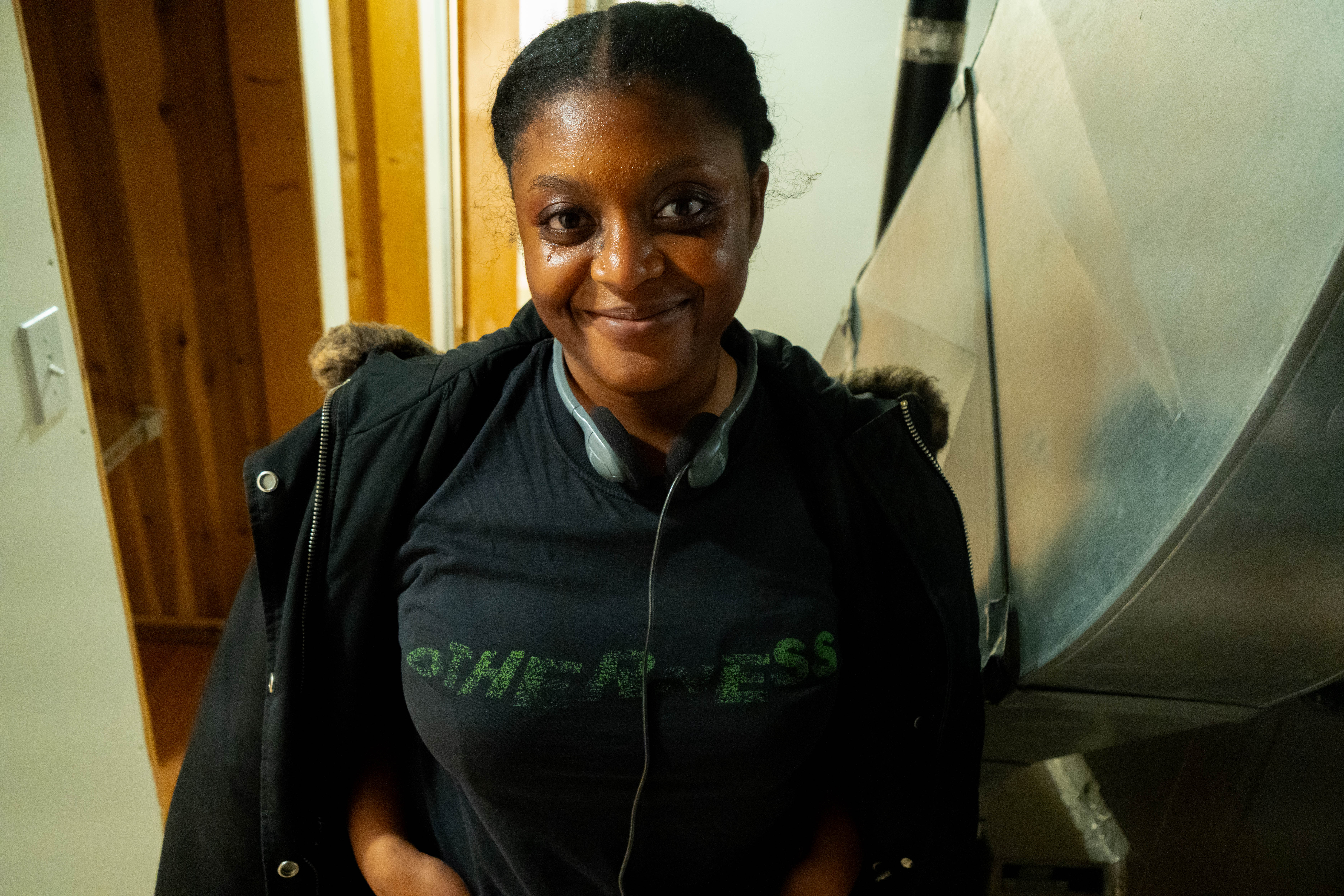
Shanice on set | Photo Courtesy of Shanice Bowrin
Today, Shanice uses horror to explore grief, identity, family trauma, healing, and social issues. Rather than avoiding difficult conversations, horror allows her to examine them from unexpected perspectives.
As she explains throughout the episode, horror isn't simply about monsters.
Sometimes the scariest stories are the ones rooted in real life.
Why Your "Weird" Is Your Superpower
One of the biggest themes throughout the conversation is Shanice's belief that the qualities people tell us to hide are often the ones that connect most deeply with others.
For her, that meant creating stories rooted in Caribbean folklore, Black queerness, complicated family relationships, and the experiences of eldest daughters—subjects she wasn't seeing represented on screen.
The more she shared those experiences, the more people responded.
What she once believed was highly personal turned out to be incredibly universal.
Instead of trying to fit into the industry's expectations, Shanice leaned into the stories only she could tell.
Creating Films Without Waiting for Permission
Breaking into film is rarely easy, especially for independent filmmakers.
Instead of waiting for grants or traditional funding opportunities, Shanice took a different approach.
After participating in the Talent Lab at the Reykjavik International Film Festival, she went on to win the Toronto Film Plug Pitch Competition, securing funding and in-kind support for her short film A Family Affair.
Along the way, she learned one lesson that every filmmaker needs to hear:
Don't be afraid to ask for help.
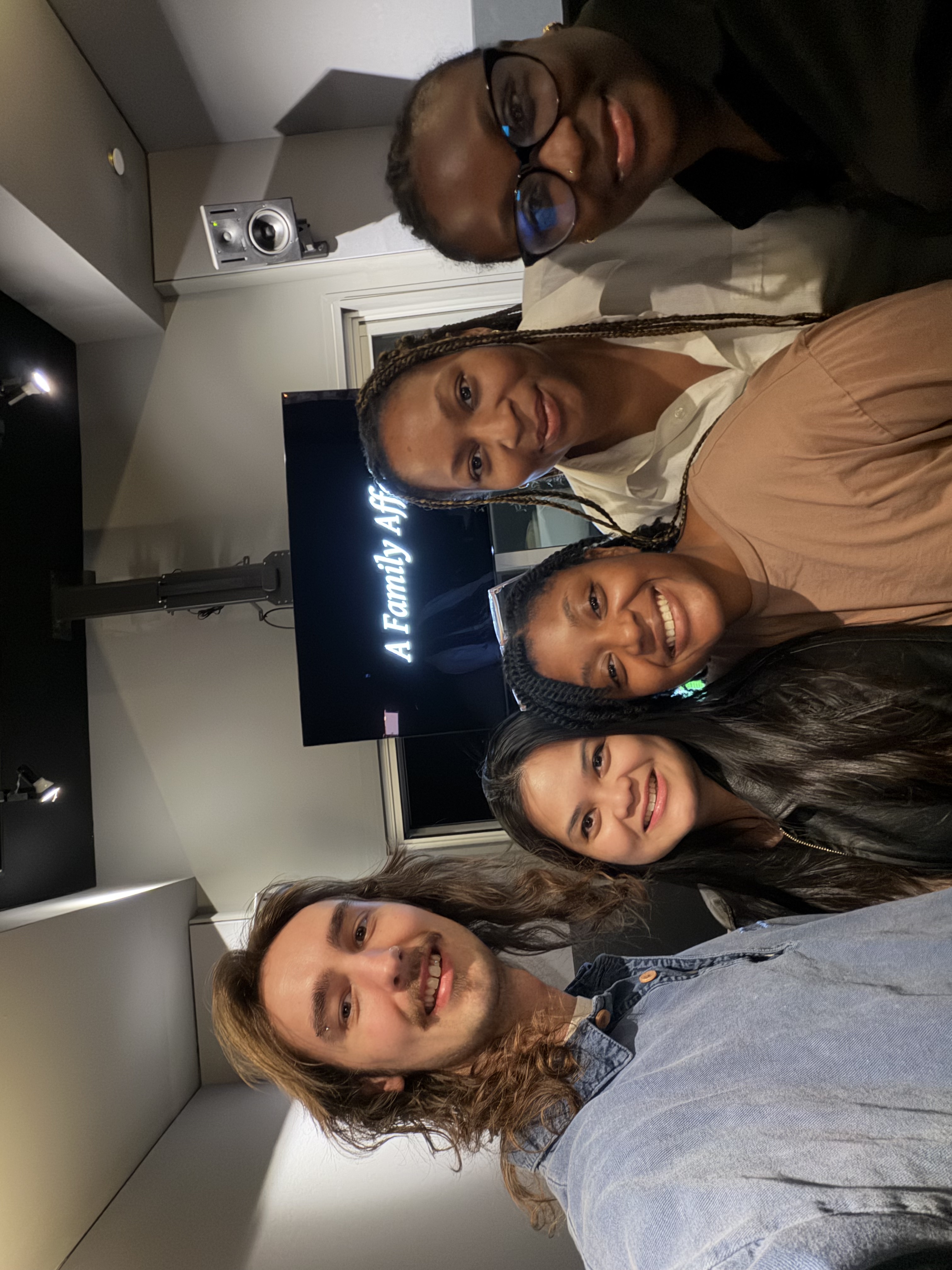
Crew of A Family Affair | Photo Courtesy of Shanice Bowrin
Whether it's asking for mentorship, resources, equipment, or simply someone's time, independent filmmaking is built on collaboration.
As Shanice points out, your community is often your greatest asset.
Community Is Bigger Than Networking
One of the strongest pieces of advice Shanice shares is to stop focusing only on networking "up."
Instead, build relationships with the people growing alongside you.
Today's classmates, collaborators, and fellow emerging filmmakers are tomorrow's producers, directors, festival programmers, and executives.
Those genuine relationships often become the foundation for future creative partnerships.
For Shanice, filmmaking isn't just about making movies.
It's about building a community that believes in one another's work.
Representation Means More Than Being Seen
Representation has become an increasingly common topic of conversation in the media, but Shanice believes it needs to go further.
She wants audiences to see Black characters experiencing joy, love, complexity, and imagination—not only struggle.
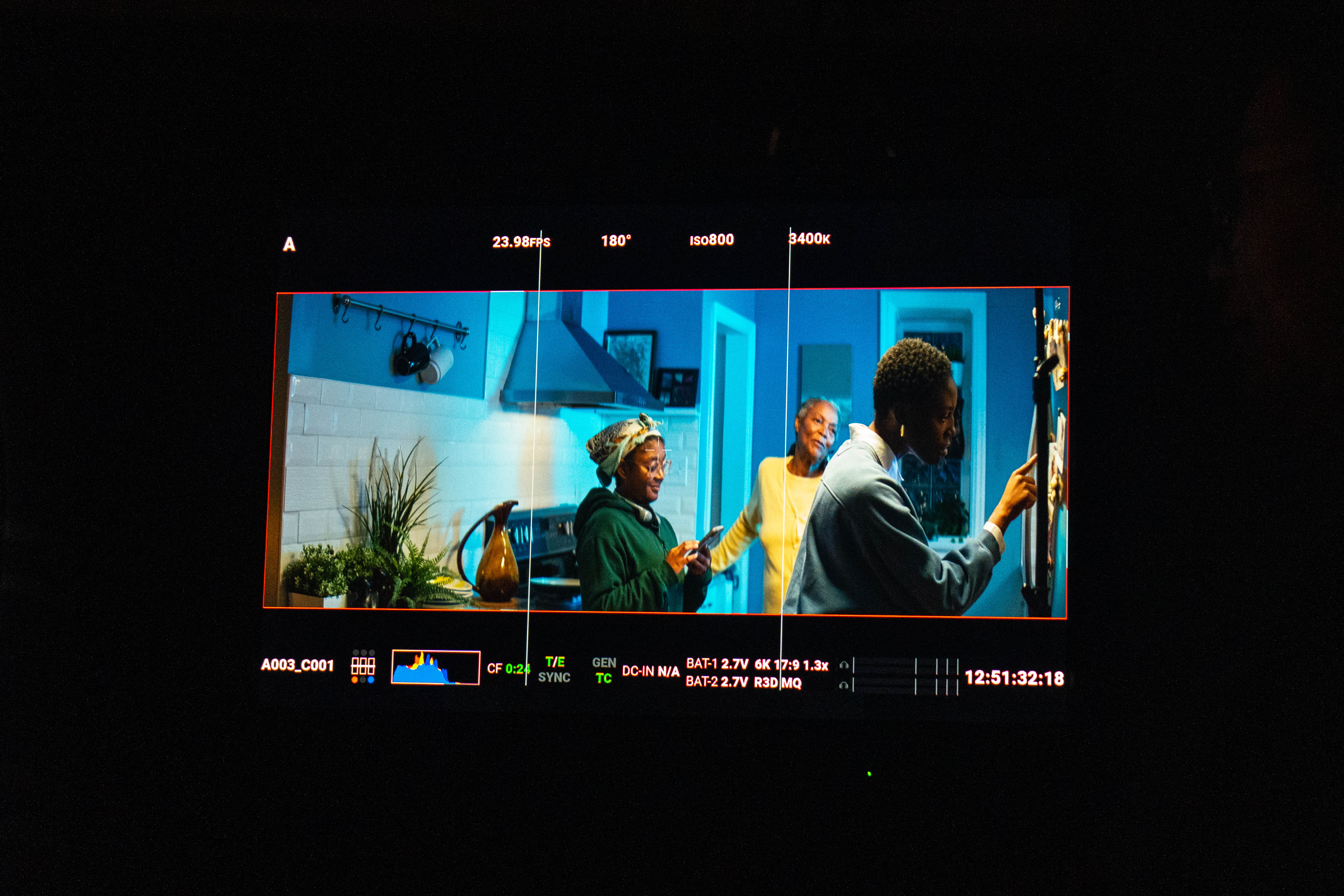
Camera shot from the set of A Famil Affair | Photo Courtesy of Shanice Bowrin
Her work explores Black queerness in quiet, nuanced ways while also tackling conversations around family expectations, immigrant experiences, and generational healing.
Perhaps the most powerful moment in the conversation comes when Shanice describes confronting difficult family dynamics not as an act of rebellion, but as an act of love.
By acknowledging harmful patterns rather than hiding them, we create opportunities for healing—not only for ourselves but also for future generations.
Three Takeaways from Shanice Bowrin
1. Your unique perspective is your biggest advantage.
The stories that feel the most personal are often the ones audiences connect with the most.
2. Stop waiting for permission.
Whether it's funding, opportunities, or confidence, sometimes the only way forward is to create your own path.
3. Build community, not competition.
Your peers today may become your collaborators tomorrow. Invest in genuine relationships and support one another's work.
Final Thoughts
At the heart of Shanice Bowrin's work is one simple belief: everyone has a story worth telling.
Whether she's exploring horror, family dynamics, Caribbean folklore, or Black queer identity, her goal is to create stories that encourage people to reflect, start conversations, and embrace the parts of themselves they've been taught to hide.
Because sometimes, those are the stories the world needs to hear most.

More Than a Film Festival: How M Works Expanded His Annual Celebration of Film Into a Three-Day Community Experience