The Business Behind the Arts: Why Creative Careers Need More Than Talent
We often celebrate the finished product—a sold-out concert, an award-winning film, a successful podcast, or a viral campaign. But behind every creative success story is something we rarely talk about: the systems, strategy, and people making it all possible.
While artists are encouraged to perfect their craft, far fewer conversations focus on how they build lasting careers. In this episode of Noir in Media, business strategist and event producer Tracy Paulotte shares why understanding the business behind creativity isn't optional—it's essential.
Working across entertainment, music, and culture, Tracy has spent more than eight years helping creatives and organizations turn ideas into sustainable businesses. Her work has taken her from producing major cultural events to developing entrepreneurship programs for Black creatives, all while championing the professionals who make creative work possible behind the scenes.
Every Creative Industry Needs More Than Creatives
When people think about careers in entertainment, they usually picture actors, musicians, filmmakers, or influencers. But the industry is powered by far more than the people in front of the camera.
"There is a space for everybody in entertainment," she explains.
Whether you're an accountant, HR professional, event coordinator, marketer, publicist, production assistant, or business strategist, your skills are just as valuable in entertainment as they are in any other industry. The challenge is that many people don't realize these career paths exist. Tracy believes expanding awareness of these opportunities is one of the keys to a more diverse and sustainable industry.
Building a Career Behind the Scenes
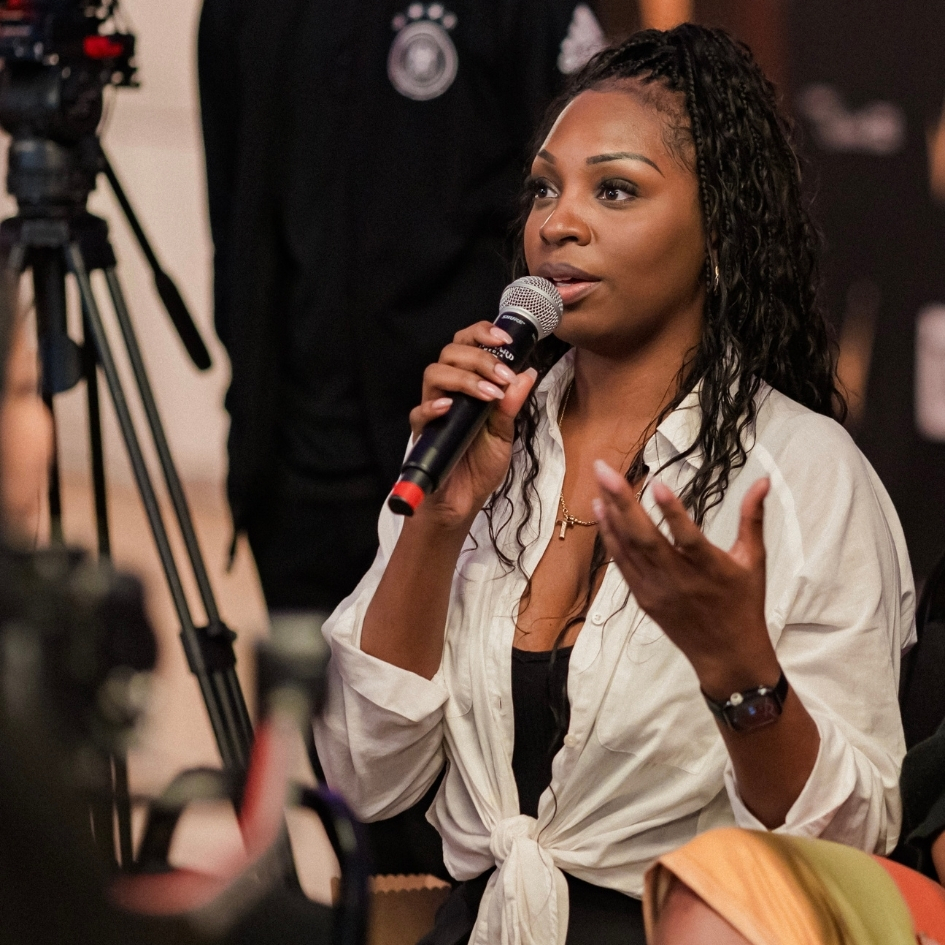
Before becoming a producer and business strategist, Tracy worked in government before leaving corporate life to pursue her passion in the nonprofit and entertainment sectors. It wasn't an easy decision, and convincing her family required as much courage as making the career change itself.

Photo Courtesy of Tracy Paulotte
What she discovered early on was that many of her existing skills—human resources, organization, operations, public speaking, and leadership—translated naturally into the entertainment industry.
Rather than chasing the spotlight, she realized her impact would come from helping other people bring their ideas to life behind the scenes.
That realization became the foundation of her career.
Creativity Alone Isn't Enough
One of the biggest misconceptions Tracy challenges is the belief that talent alone creates success.
Creative careers require systems.
They require planning.
They require business knowledge.
For many artists, the focus is understandably on creating exceptional work. But sustainable careers are built by understanding finances, marketing, branding, legal rights, operations, partnerships, and audience development.
As Tracy puts it, today's artists aren't simply artists anymore—they're businesses. Understanding how to position yourself, diversify your income, and protect your work is just as important as mastering your craft.
Stop Waiting for Funding to Validate Your Idea
One of the most practical conversations in the episode centers around funding.
Canada offers an incredible number of grants and funding opportunities for creatives. But Tracy warns against relying solely on those systems.
Instead, she encourages artists to start with what they already have.
Can't afford a venue? Partner with one.
Can't hire a designer? Learn Canva.
Don't have a massive audience? Fill a room with ten people before trying to fill one with two hundred.
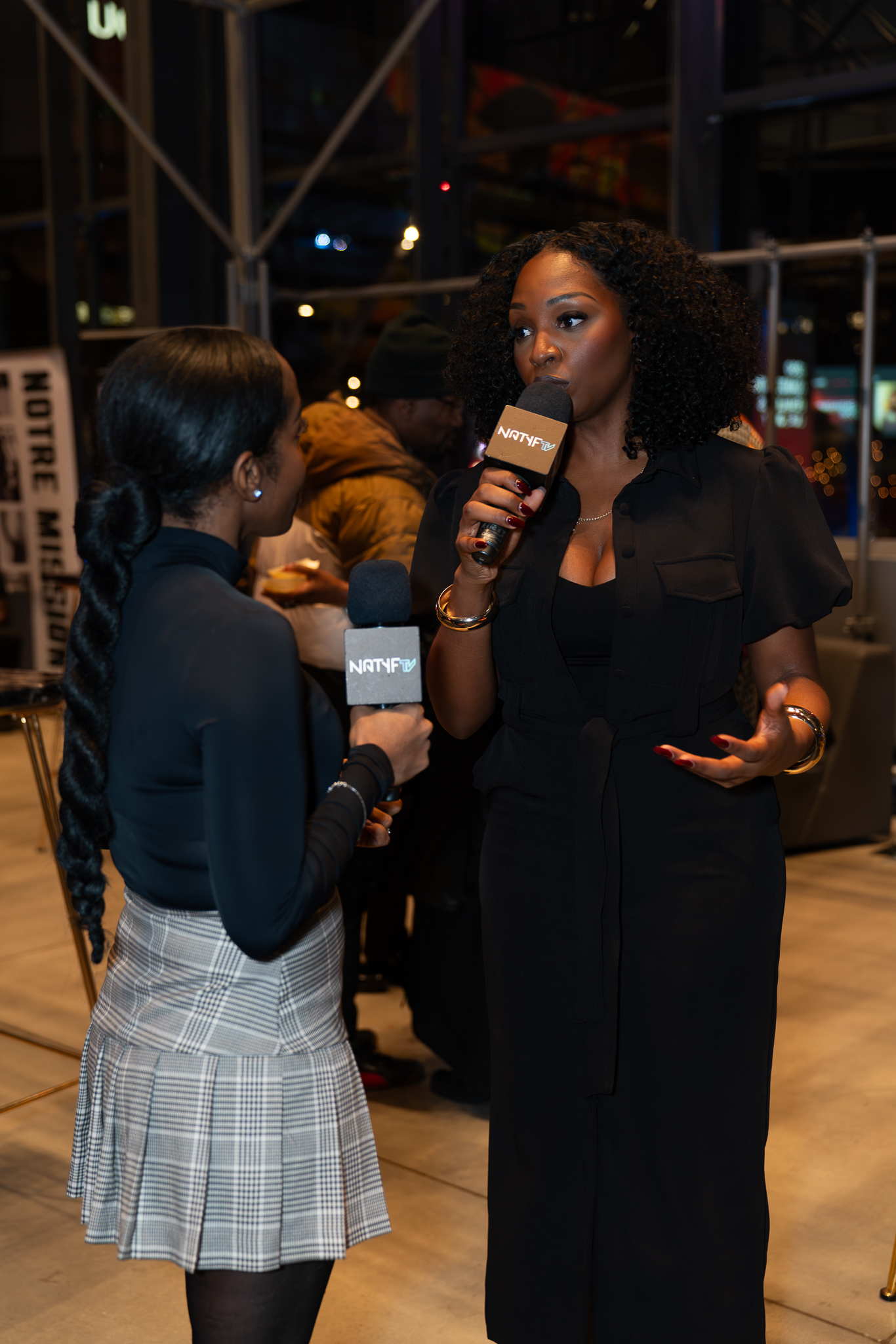
Photo Courtesy of Tracy Paulotte
"You have everything that you need today to be the best version of yourself."
Rather than waiting for permission, funding, or perfect conditions, Tracy encourages creatives to prove their concept first. Build trust, build community, and demonstrate demand. Funding should help accelerate your vision—not become the prerequisite for starting it.
Community Is a Competitive Advantage
Throughout the conversation, one message comes up repeatedly: collaboration.
Success isn't built in isolation.
Whether you're a filmmaker, musician, entrepreneur, or producer, the people beside you today may become tomorrow's collaborators, executives, or creative partners.
Instead of viewing peers as competition, Tracy encourages creatives to share knowledge, resources, opportunities, and encouragement.
Sometimes support is as simple as making an introduction, sharing someone's work, or opening a door.
Community isn't just good for culture—it's good for business.
Authenticity Matters More Than Ever
In an era where AI-generated content is becoming increasingly common, Tracy believes authenticity is one of a creative's greatest competitive advantages.
Rather than copying what's trending or creating a polished version of what everyone else is doing, she encourages creatives to embrace what makes them different.
Your experiences.
Your interests.
Your perspective.
Your personality.
Those are the things that can't be replicated.
"The goal is not to copy—the goal is to get inspired."
Representation Means More Than Visibility
Representation isn't only about who's on screen.
It's also about who's making decisions behind the scenes.
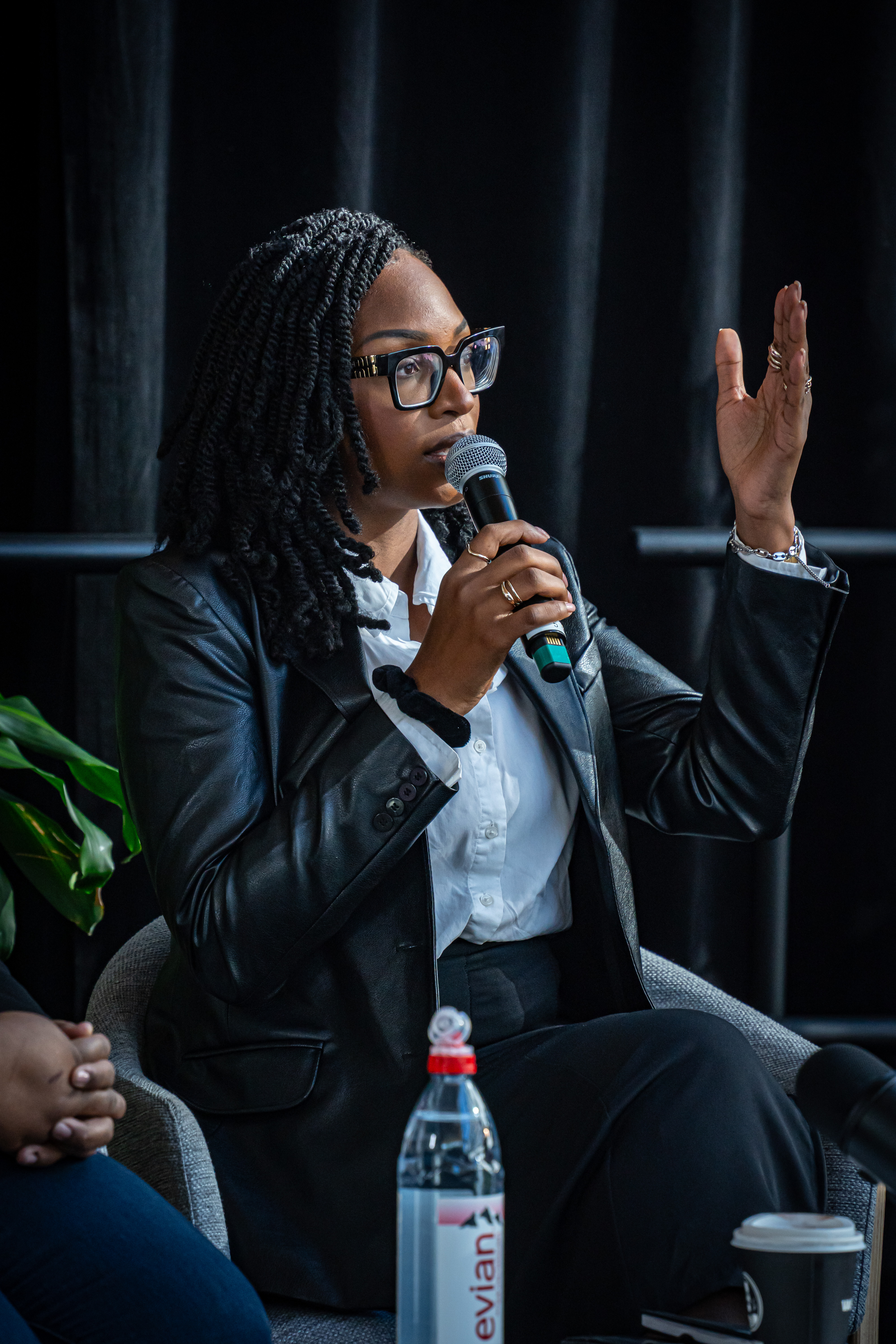
Photo Courtesy of Tracy Paulotte
Early in her career, Tracy found herself as the only Black woman on set. That experience reinforced her desire to create pathways for more Black professionals to work in production, operations, and leadership roles throughout the entertainment industry.
Creating more inclusive industries requires more than diverse casting.
It requires diverse producers, executives, marketers, publicists, coordinators, programmers, and business leaders who help shape the stories that get told.
Final Thoughts
At the end of the conversation, Tracy leaves listeners with two pieces of advice:
Don't give up.
And build with others.
Creative careers aren't built overnight. They require resilience, curiosity, adaptability, and a willingness to keep learning. But perhaps most importantly, they require community—and a clear sense of why you keep going.
Because behind every successful artist is a network of people helping turn creativity into something sustainable—and a career worth continuing.
More Than a Film Festival: How M Works Expanded His Annual Celebration of Film Into a Three-Day Community Experience